
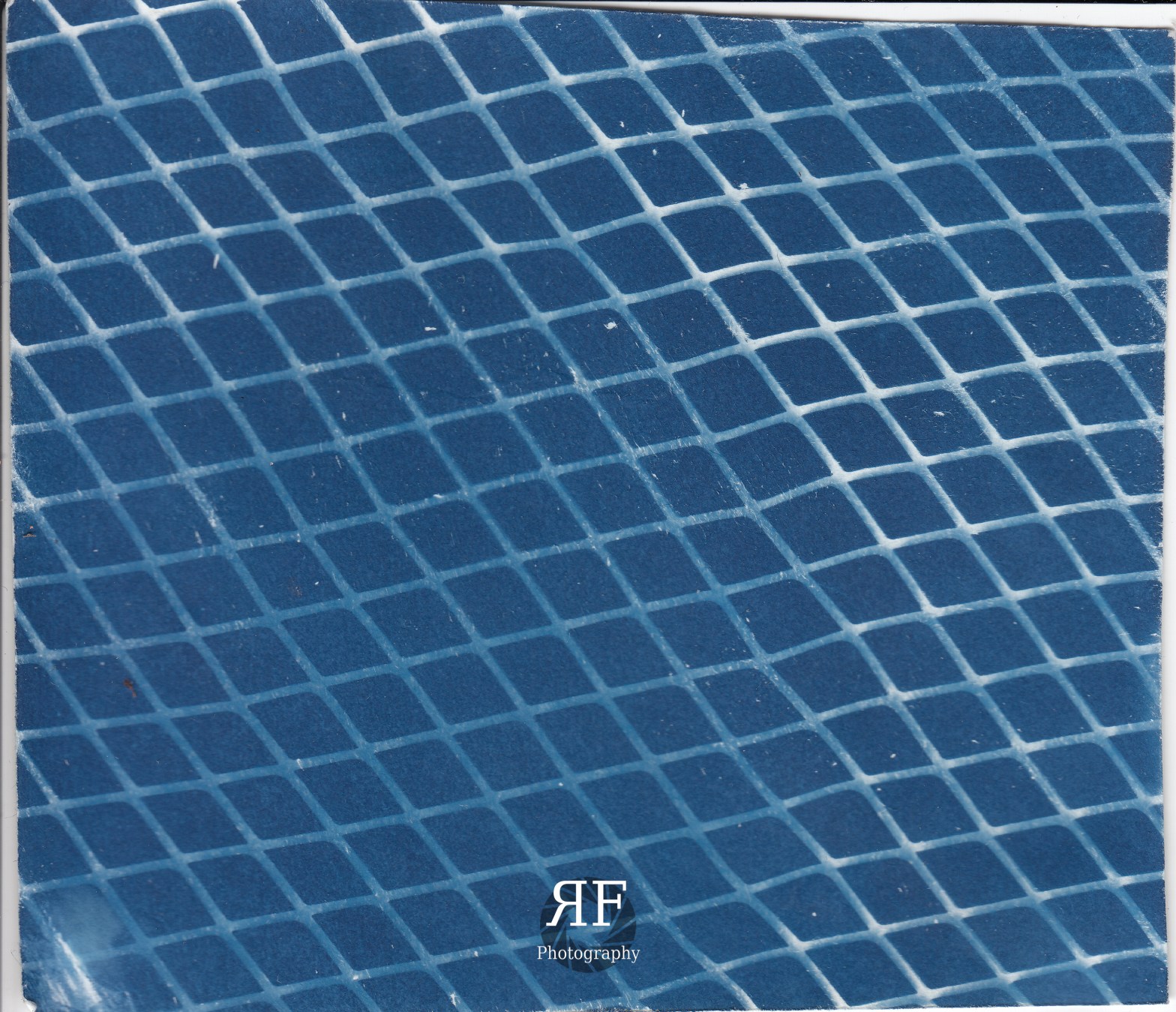
After my prior blog post (regarding using pink cube) I re-looked over my A-level work again looking for areas of photography I wished to experiment further with. After looking at my second year work, I found my pieces regarding mix media of which Cyanotypes were apart of.
Whilst at college I wasn’t able to do any of the chemistry, exposures, and washing of the prints myself. Most probably down to health and safety, yet the process intrigued me and so did the results.
So upon researching further into the process, I discovered that it was discovered by Sir John Herschel in 1842. Its function for many years was that it served to create Blueprints of buildings, right up until the means of printing was more effective thus making it redundednt as a process.
During my research I discovered a useful guide by content creator Mathieu Stern . Who created a thorough video going through the process in great detail, as well as making recommendation to achieve effective means of producing & re-producing exposures.
After completing my research, I purchased a kit off of Amazon, alongside purchasing a A3 picture frame from a local charity shop that I repurposed to help achieve effective prints with ‘printer film’. Initially I did the prints using UV from the sun, but as summer passed and Autumn/ Winter drew in I purchased a UV lamp for more consistent and conscience results.
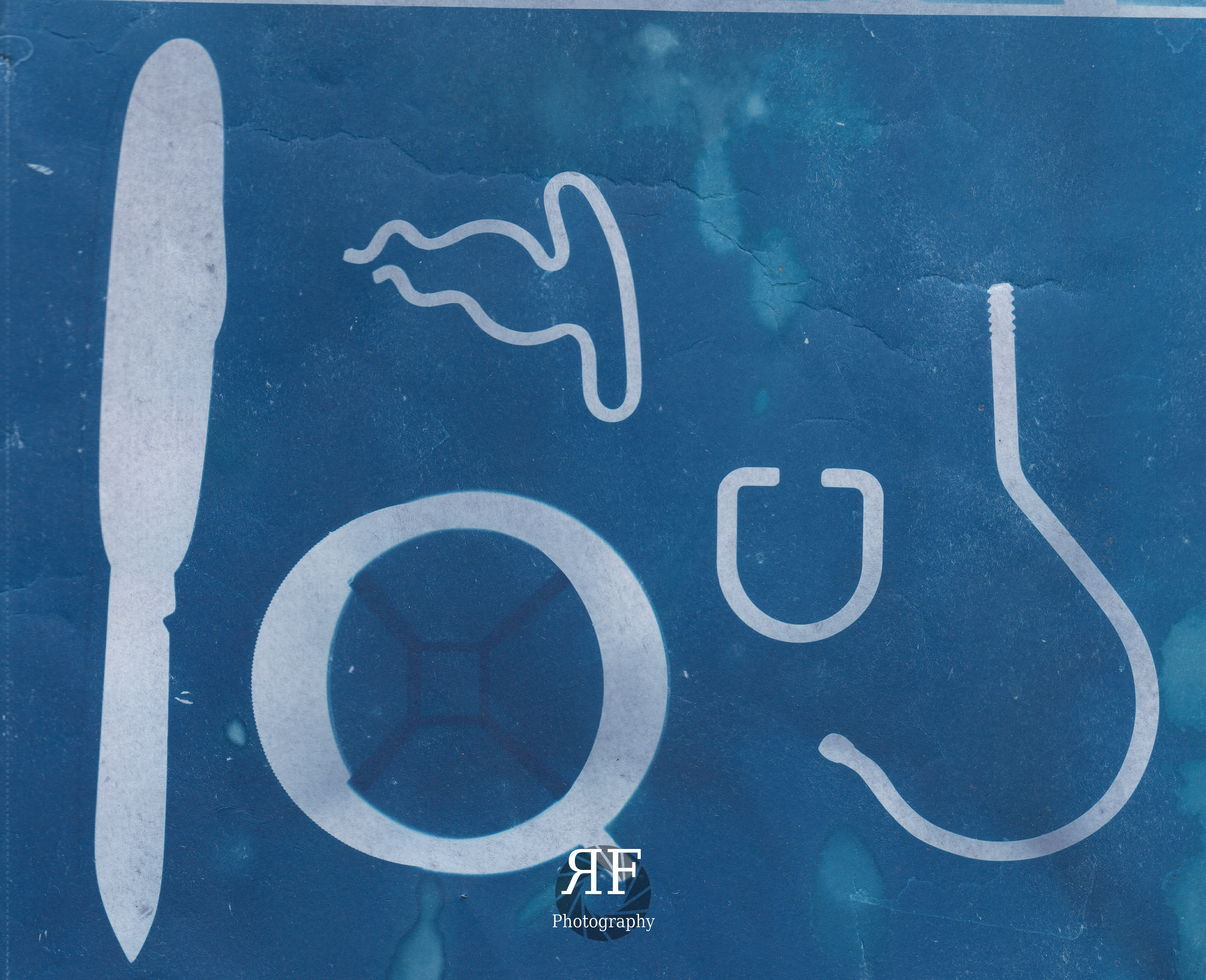
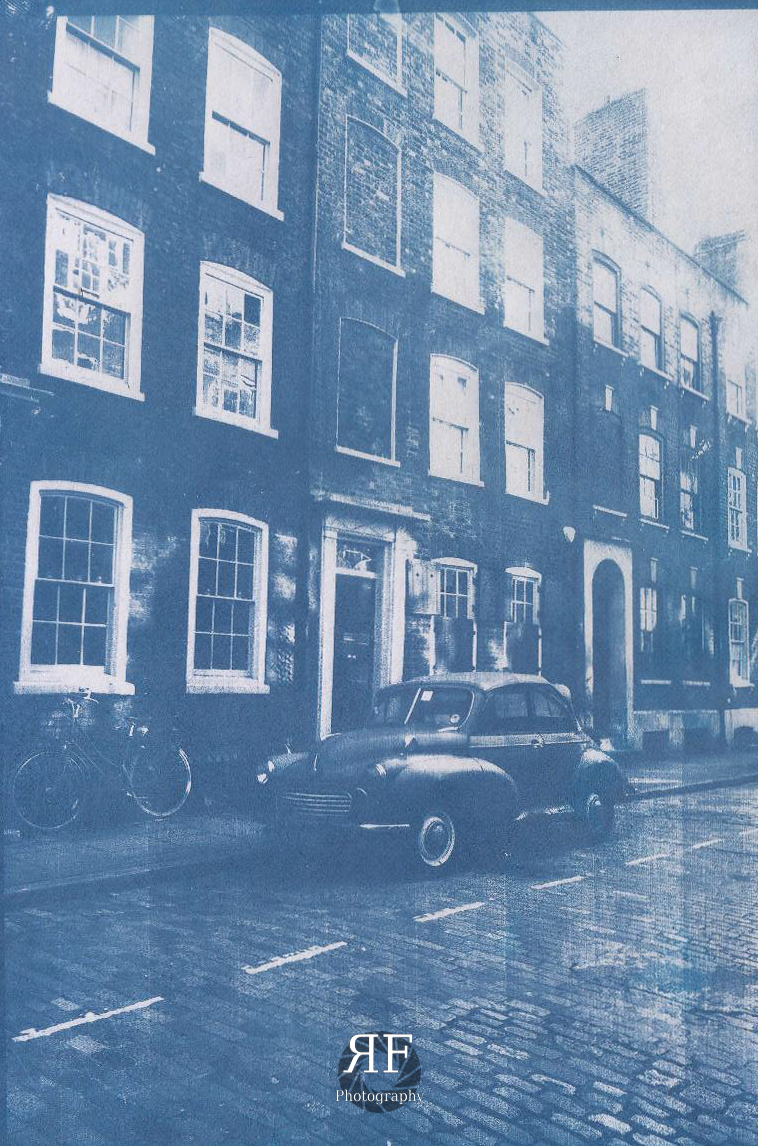
In regards to the exposure I created, I started with making silhouettes / outline exposures of household objects or anything I thought would make an interesting shape, pattern or effect. I then moved onto making prints using transparent film, which was what I achieved in my A-Level work.
This took a bit more dedication than the other prints, as you often need to make multiple prints of a transparency to get an understanding of a good exposure time. As each transparency is different, in that it requires more or less exposure dependent on how dark or light you desire the image to be or how accurate you want it.
The best way was to increase / decrease the exposure in 5 minute intervals, record the results, and make a final piece based on the outcomes of previous prints. This obviously is very time consuming and very exhaustive on resources. However I believed it produce the best outcomes for this blog entry.
In conclusion
Sun Prints
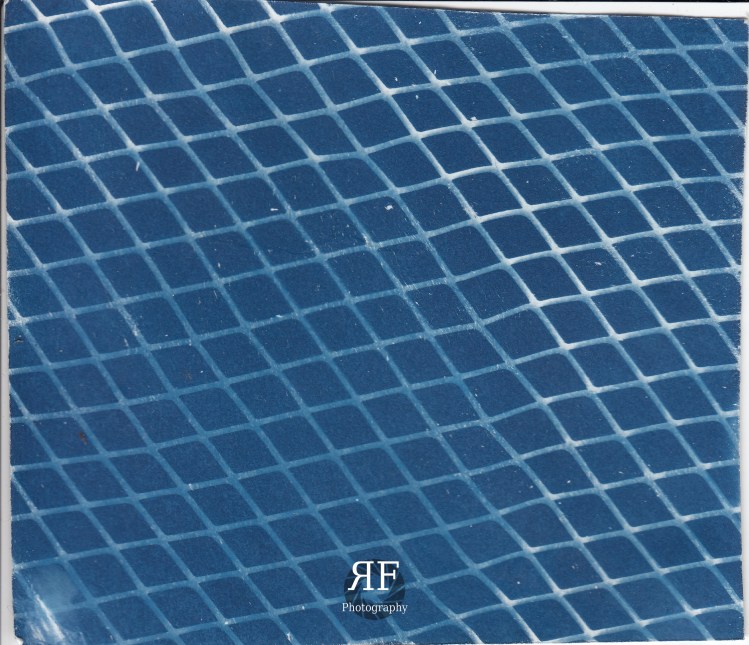
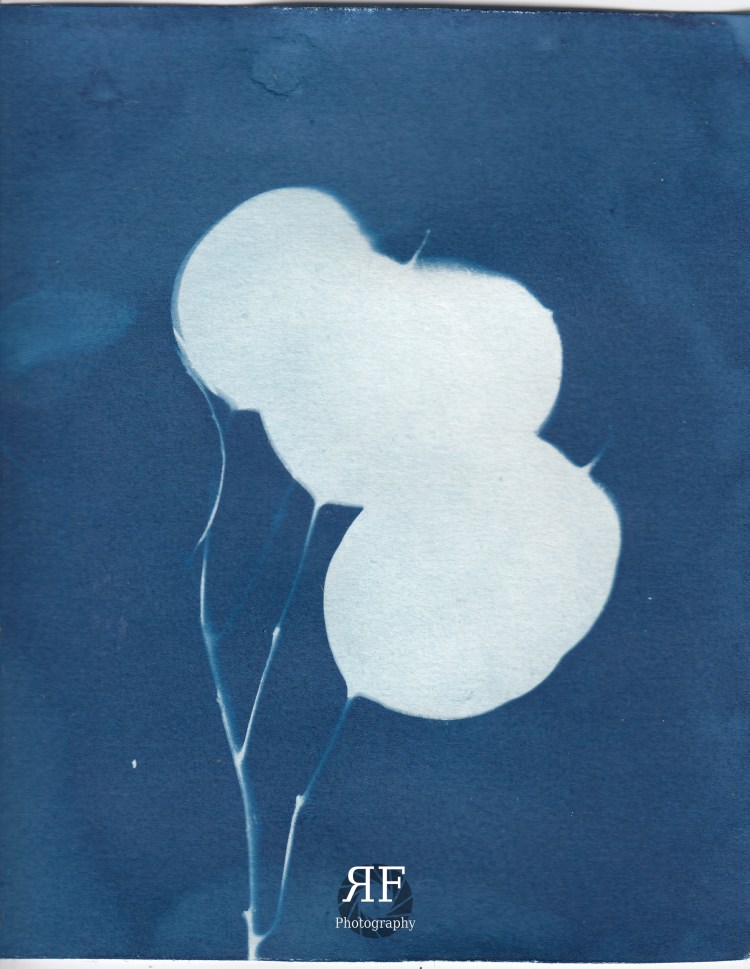
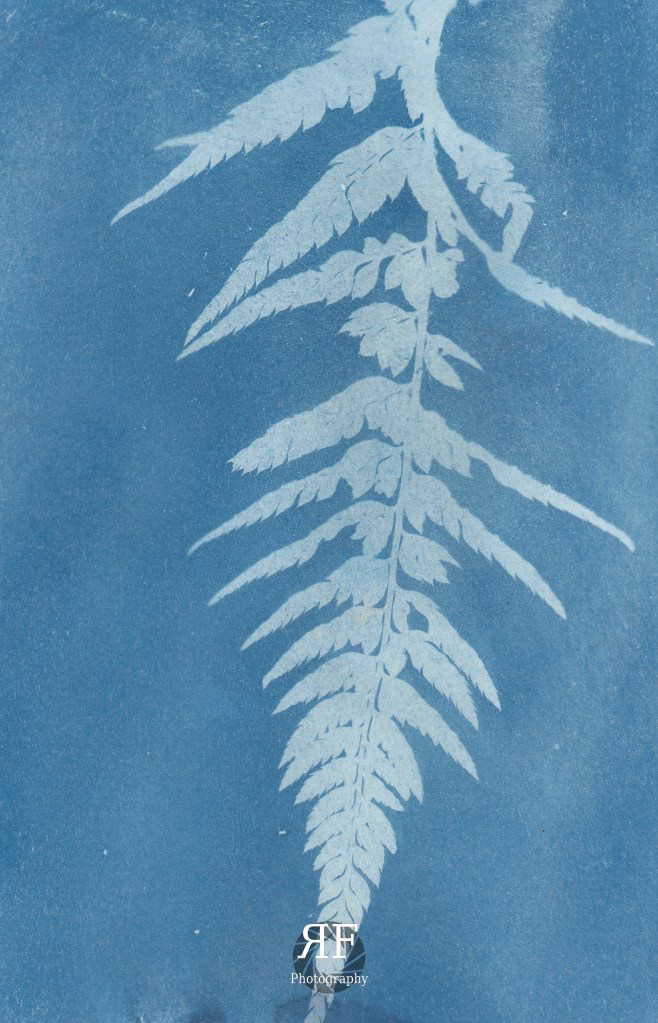
UV Prints

Picture Prints

 Ryan Fayers Photography